This blog is written as a task assigned by the head of the Department of English (MKBU), Prof. Dilip Barad Sir. Here is the link to the professor's worksheet for background reading: Click here.


1. The Theme of Love

The theme of love forms the emotional heart of Chetan Bhagat’s Revolution 2020, shaping the lives of Gopal, Aarti, and Raghav and influencing the moral and emotional decisions they make. The love triangle between the three characters not only drives the narrative forward but also reflects larger themes of ambition, betrayal, societal pressures, and personal sacrifice. Gopal’s love for Aarti is introduced early as an innocent yet intense attachment, rooted in childhood friendship and deepened through shared experiences. However, Aarti’s affection remains fluid and ambiguous, often confusing Gopal. This emotional ambiguity becomes clear when Aarti helps Gopal shop before he leaves for Kota, playfully saying, “If I came to Kota with you, I’d cook for you everyday.” This simple line gives Gopal hope and hints at emotional closeness, yet it is also misleading, showing how Aarti unknowingly feeds his feelings without committing to anything solid. Gopal himself questions this confusion, asking internally, “Why does Aarti make statements like these? What am I supposed to say?” Such moments reveal the imbalance at the core of their relationship: Gopal feels intensely, while Aarti responds with friendliness and warmth, but not romantic devotion.
This imbalance becomes even more evident during their walk on the ghats. Aarti lightly holds Gopal’s elbow, but he moves away, saying, “Don’t. It’s not good. Especially for you.” His reaction reveals his awareness of societal judgment and gender norms. When Aarti casually responds, “We are just really good friends,” Gopal feels a deep emotional wound, because he wants more than friendship. Despite his desire to speak openly, she resists defining their relationship. When he expresses the need for clarity before leaving for Kota, saying that they should have “a commitment,” Aarti simply laughs and insists, “Commitment? Gopal, we are so young!” Her refusal to acknowledge his deeper feelings pushes him into emotional insecurity. The turning point comes when she firmly tells him, “I don’t feel that way, Gopal… I don’t feel that way about anyone.” This direct rejection defines Gopal’s emotional journey: he loves her sincerely, she cares for him deeply but does not see him as a romantic partner, and this gap creates the pain that shapes his later decisions.
When Gopal moves to Kota, his loneliness amplifies his longing for Aarti. Although she continues to call and speak with him, her interactions only blur the emotional boundaries further. At one point, when Gopal expresses vulnerability by saying, “I miss you,” she responds with silence, the call ending in a click. This silence symbolizes the emotional distance between them. In one of the clearest expressions of his desire for a deeper relationship, he asks her, “Why don’t we become a couple?” But Aarti, wanting to avoid commitment, immediately rejects the idea: “Don’t. Please don’t start that again… we have discussed it enough.” She explains her position clearly: “I care for you a lot. But not in that way.” Her statement captures the essence of the love triangle Aarti’s affection is rooted in comfort, familiarity, and emotional support, but not in romantic love. She continues to behave warmly toward Gopal, yet her heart begins to drift toward Raghav, whose ambition, idealism, and moral clarity appeal to her more deeply than Gopal’s insecurity and desperation.
As the narrative progresses, the relationship among the three characters evolves in complex ways. Aarti’s shifting affection reflects both personal confusion and societal pressures. On one hand, she desires stability and emotional connection; on the other, she is drawn to Raghav’s dream-driven personality and sees in him a purpose that gives her life direction. Gopal, meanwhile, watches helplessly as she spends more time with Raghav, and his jealousy intensifies. The love triangle thus becomes a reflection of broader social themes: class, opportunity, ambition, and the choices young people make under emotional and societal pressure. The imbalance in affection pushes Gopal into unethical decisions, including his involvement in corruption, driven partly by the desire to prove his worth.
The most powerful emotional moment in the love theme comes when Gopal, despite having achieved wealth and social status, realizes that Aarti’s heart still belongs to Raghav. Despite sharing intimate moments with her, he understands that her love is not grounded in genuine emotional commitment but in confusion and her desire for companionship. This realization leads him to the most selfless decision of his life: allowing her to marry Raghav. While some readers may question whether this sacrifice is noble or driven by guilt, Gopal’s final act represents a moment of emotional maturity. He understands that love is not about possession, but about allowing the person you love to find happiness, even if it is not with you. His sacrifice ultimately redeems him, separating him from the corrupt world he has built around himself.
A diary entry written from Gopal’s perspective after this moment would reveal overwhelming heartbreak, guilt, and acceptance. He would likely reflect on how his journey from the shy boy on the ghats to the wealthy director of a corrupt institute was shaped by a single emotion: love for Aarti. He would confess that he let her go not only because she loved Raghav, but because he finally recognized the darkness he had allowed into his life. His love, though unrequited, becomes the first step toward moral clarity. This internal struggle highlights the novel’s central question: can love flourish in a society full of corruption and ambition? The novel suggests that love is fragile in such an environment. Gopal’s emotional pain is directly tied to social inequality, ambition, and moral compromise. Raghav and Aarti, though more stable, also struggle because love must coexist with activism, career struggles, and societal expectations.
Ultimately, Bhagat portrays “true love” as something rooted not in desire but in sacrifice. True love is shown when Gopal steps away, when Aarti chooses honesty over comfort, and when Raghav continues to pursue his ideals despite personal challenges. Love in Revolution 2020 is not perfect, not idealistic, and not free of mistakes. Instead, it is human shaped by flaws, confusion, and difficult choices. Through the evolving relationships among Gopal, Aarti, and Raghav, the novel presents love as an emotional journey that reveals character, exposes moral weaknesses, and ultimately inspires personal growth.
2. The Theme of Corruption
Corruption is one of the most dominant and critical themes in Chetan Bhagat’s Revolution 2020, shaping not only the plot but the morality, choices, and destinies of its central characters—Gopal, Raghav, and Aarti. Through their intertwined journeys, the novel paints a compelling and unsettling portrait of a society where corruption is deeply embedded in every institutional layer, from education and politics to business and bureaucracy. The very landscape of modern India becomes the backdrop against which ethical struggles unfold, showing the reader how a flawed system can push individuals toward compromise, manipulation, and moral decay. Bhagat’s narrative exposes not only overt bribery and political influence but also the subtle, systemic corruption that infiltrates aspirations, dreams, and personal relationships.
At the center of this theme is Gopal, who becomes both a victim and a product of corruption. In the early chapters, we see how the education system is built on impossible expectations—exams like IIT-JEE and AIEEE become life-or-death milestones. When Gopal fails to clear these competitive exams despite intense effort, he experiences firsthand how the system punishes ordinary students from modest backgrounds. After his failure, he laments, “A few marks are all it takes to fall behind ten thousand ranks.” The line exposes how the system is structured not to nurture talent, but to break students mentally and socially. This failure, coupled with poverty and his father’s death, makes Gopal vulnerable—a young man ready to do anything to escape humiliation and financial ruin.
Gopal’s entry into corruption is gradual but inevitable. His family’s land dispute becomes the turning point, pushing him into the world of political manipulation. When he meets MLA Shukla, a powerful politician, Gopal enters a system where corruption is normalized. Shukla-ji’s casual dialogue reveals this normalization: “It is never easy to become a big man in life.” Beneath these words lies the harsh truth—success is not about merit, but about knowing how to bend rules and exploit loopholes. Gopal hesitates initially, asking questions about legality, but he is quickly told by Bedi, the education consultant, that the only way to run a college is through illegal channels: bribes, forged documents, and political protection. When Gopal questions this, Shukla-ji mocks him, saying, “I don’t think this boy can do it. You have wasted my time.” This pressure forces Gopal to accept corruption not just as a choice, but as a necessity. His transformation begins here—not out of greed, but out of desperation and societal pressure.
In stark contrast, Raghav represents the idealistic force resisting corruption. Even though he is an engineering student at BHU—one of the most prestigious colleges—Raghav rejects material success and instead chooses journalism and activism. His actions show a complete rejection of the idea that one must compromise to succeed. His refusal to horse-trade votes during the student elections exemplifies his commitment to integrity. As Aarti explains to Gopal, “He lost because he wouldn’t horse-trade with other hostels. He wanted to fight fair.” Raghav’s choices reveal a belief in ethical revolution—a belief that real change begins with resisting the temptation to adopt corrupt methods.
The contrast between Gopal and Raghav becomes the moral backbone of the novel. Where Gopal bribes politicians, officials, and bureaucrats to secure approvals for his engineering college, Raghav exposes such corrupt practices through his newspaper, Revolution 2020. Where Gopal builds an educational institution through manipulation and black money, Raghav fights to reform education and society through truth-telling. Their rivalry becomes symbolic: one represents the path of personal gain through corruption, the other represents the fight for justice.
Yet, the novel does not romanticize Raghav’s journey. Bhagat is blunt in showing how the system punishes integrity. Raghav struggles financially, loses opportunities, and faces threats because the corrupt establishment feels threatened by his activism. The government shuts down his newspaper, he loses his job, and political forces sabotage his work. His trajectory shows how difficult it is for honest individuals to survive in a deeply flawed system. The question arises: can idealism survive in the real world? Bhagat suggests that while idealism is powerful, it often comes with painful consequences.
Meanwhile, Gopal’s rise in the corrupt system is swift. Shukla-ji arranges land acquisition, re-zoning, construction approvals, and protection. Gopal learns how corruption works not only in big deals but at every small bureaucratic step. When Bedi explains the approval process, he tells Gopal: “Everyone has to be taken care of. It is standard.” These two sentences summarize the reality of systemic corruption in India—paying bribes is not an exception but the norm.
Gopal’s involvement deepens as he bribes VNN officers, AICTE inspectors, and contractors. He becomes a silent partner in a political nexus, benefiting from a system that rewards those who play along. His wealth grows, he becomes a respected director in society, and people see him as a successful youth icon. Yet, deep inside, Gopal feels empty. Even though he achieves everything he once dreamed of—money, status, and success—he begins to question the moral cost. His relationship with Aarti becomes the emotional trigger that exposes the hollowness of his corrupt life.
The novel uses Gopal’s feelings for Aarti as a symbolic reminder that corruption cannot buy true happiness. When he tries to win her affection through material things, expensive dinners, and gifts, he realizes that she is emotionally drawn to Raghav’s ideals. Aarti sees in Raghav a purpose and honesty that Gopal lacks. Despite Gopal’s wealth, influence, and lifestyle, he understands that corruption cannot fill the emotional void in his life. His eventual disillusionment is captured in moments of reflection. One of the most powerful lines comes when he admits indirectly that all the wealth he has acquired cannot bring him peace—he feels he has “become a big man only in the eyes of society, not in my own eyes.” This unseen confession marks the beginning of his moral awakening.
Toward the end of the novel, Gopal’s disillusionment culminates in his ultimate sacrifice. He realizes that his corrupt methods and unethical lifestyle have destroyed his inner self. When he sees Raghav and Aarti together, he understands that their bond is genuine—rooted in shared values and emotional truth. Gopal’s decision to step away and allow Aarti to be with Raghav is not only an act of love but an act of redemption. Through this sacrifice, Gopal acknowledges the emptiness of a life built on corruption. His emotional breakdown symbolizes a symbolic cleansing—a moment where he confronts the moral consequences of his choices.
When the novel portrays the systemic nature of corruption, it mirrors real-world issues such as political influence in education, bribe-taking officials, the commercialization of learning, and the exploitation of vulnerable citizens. Bhagat critiques how private colleges are often business ventures run by liquor mafias, politicians, and businessmen who use education as a money-making tool. Gopal’s college, though marketed as a prestigious institution, is built almost entirely through bribery. The career fair scene reveals how private colleges compete like businesses, offering “discounts” and deals like products in a market. This scene exposes the commodification of education itself—something that resonates strongly in India’s contemporary reality.
The activity prompt—“Corruption is the only way to succeed in a flawed system”—echoes a central debate in the novel. Gopal’s life seems to prove the statement true, while Raghav’s journey challenges it. Students debating the topic would quickly see that corruption gives quick results but destroys moral character, while integrity brings self-respect but demands sacrifices.
The critical questions of whether individuals like Raghav can succeed reveal the core tension in modern society. The novel suggests that while systems are deeply corrupt, individuals who persist in honesty can create meaningful change. Raghav, though often defeated, continues his fight. His small victories show that while corruption is widespread, the power of truth cannot be entirely erased.
In conclusion, the theme of corruption in Revolution 2020 is deeply intertwined with the characters’ personal lives, aspirations, and moral choices. Bhagat uses Gopal’s rise and fall to show how corruption shapes destinies and destroys inner peace, while Raghav’s struggles emphasize the courage required to resist systemic flaws. The novel ultimately asks readers to reflect not only on political and educational corruption but on the corruption of values, relationships, and dreams. Through its compelling narrative, Revolution 2020 reveals that corruption may offer success, but it cannot offer fulfillment—and that revolution, though difficult, begins with individuals who dare to resist injustice.
3. The Theme of Ambition
Ambition as a Reflection of Social Background
In Revolution 2020, ambition is shaped heavily by the socio-economic conditions in which the characters grow up. Gopal and Raghav, though from the same city, develop entirely different ambitions because their circumstances are vastly different. Gopal’s ambition stems from poverty, insecurity, and constant humiliation, all of which push him to “become a big man” at any cost. His father’s financial struggles and the repeated failure in entrance exams leave him feeling worthless. At one point, he expresses helplessness after being rejected again: “Where will I go? I have nothing.” This line reveals that ambition for Gopal is not a choice but a survival mechanism. In contrast, Raghav’s ambition is born from stability and intellectual clarity. With the confidence that comes from securing a seat at BHU, Raghav uses his privilege not for material advancement but to pursue social reform. His ambition is not rooted in fear but in purpose. Thus, the novel shows that ambition is shaped not only by individual desire but by class, opportunity, and emotional history.
Gopal’s Ambition — Wealth, Power, and Moral Collapse
Gopal’s ambition is one of the most complex elements in the novel. For him, ambition is tied to a desire to escape humiliation and to prove his worth to the world. When he says that success equals respect, readers understand that ambition for him is deeply emotional. This vulnerability is exploited by MLA Shukla, who pulls Gopal into the corrupt world of land deals and political manipulation. When Shukla asks him, “You want to be a big man, Gopal?” it becomes a turning point. Gopal chooses ambition over integrity, believing that wealth will wash away the shame of his past failures. His engineering college becomes a symbol of his new identity, but it is built on bribes, manipulation, and unethical shortcuts.
As Gopal climbs higher, he experiences a moral decline. He becomes a man who can afford luxury hotels, expensive gifts, and political influence. But with success comes emptiness. Even Aarti begins to question him: “How did you get all the money for this?” indicating that his ambition has distanced him from the people he loves. His wealth cannot fill the emotional void created by unethical choices. Gopal’s ambition ultimately leads to guilt, loneliness, and the realization that material success is hollow without inner peace. His arc demonstrates that ambition driven by insecurity becomes destructive, corrupt, and emotionally devastating.
Raghav’s Ambition — Idealism and Social Change
Raghav’s ambition stands in stark contrast to Gopal’s. His dream is not to build wealth but to build a better society. As a journalist, he risks everything to expose corruption and injustice, even when it threatens his career, family, and future. Aarti, at one point, tries to explain him to Gopal by saying, “He wants to change things… He believes one has to be fair and win.” This shows that Raghav’s ambition is rooted in ethics, courage, and purpose.
Unlike Gopal, Raghav does not compromise. He loses elections because he refuses to bribe. Politicians shut down his newspaper because he exposes their crimes. He survives threats, financial hardship, and constant pressure, yet remains committed to truth. Raghav’s ambition makes him a symbol of youthful idealism. He believes in revolution, not personal gain. While his ambitions bring struggle, they earn him moral victory and self-respect. Bhagat uses Raghav to show that ambition guided by principles can create social change, even if the path is painful and slow.
Ambition Shaping Love, Relationships, and Emotional Conflict
Ambition in the novel does not stay limited to careers; it deeply affects the emotional and romantic relationships among the main characters. Gopal’s ambition, fueled by insecurity, makes him desperate to win Aarti. He believes wealth will earn him love. His corrupt success gives him confidence but distances him from Aarti, who senses the moral decay behind his achievements. Meanwhile, Raghav’s ambition for social reform creates emotional distance between him and Aarti. His activism consumes his time, attention, and emotional energy, leaving Aarti feeling neglected. This emotional gap becomes the space where Gopal enters, complicating the triangle further.
Thus, ambition affects love in two ways:
Gopal’s ambition becomes a weapon he uses to pursue Aarti, making him emotionally manipulative.
Raghav’s ambition becomes a noble but consuming force, which unintentionally hurts Aarti.
This theme suggests that ambition, while necessary for growth, can disrupt relationships if unbalanced. Bhagat uses this conflict to show that success whether material or moral always comes at a personal cost.
Ambition as a Moral Question in Modern India
A deeper purpose of the novel is to critique how ambition operates in contemporary Indian society. The education system, political institutions, and social structures create environments where honest ambition struggles to survive. Gopal’s rise through corruption reflects real systems where bribes, influence, and unethical methods are rewarded. The novel exposes how easily ambition becomes corrupted when society equates success with wealth rather than integrity.
On the other hand, Raghav’s struggle symbolizes how hard it is for ethical ambition to thrive in a corrupt environment. His activism challenges the system, but the system pushes back harder. His newspaper is shut down, he loses employment, and even Aarti questions whether idealism is practical. Bhagat uses these characters to ask:
Can ambition be clean in a dirty system?
Is it possible to succeed without compromising values?
Does society reward the wrong kind of ambition?
The novel leaves these questions open, highlighting the tension between personal aspirations and societal reality.
Final Consequences Ambition, Guilt, and Redemption
By the end, Gopal realizes that ambition built on corruption cannot bring happiness. His emotional breakdown after losing Aarti forces him to confront the moral failures behind his achievements. His final act stepping aside and letting Aarti choose Raghav—becomes his moment of redemption. The line “I don’t deserve her” reflects his awareness that ambition took him away from the person he once was.
Raghav, despite setbacks, continues his mission to bring change. He wins Aarti not through money but through integrity. His ambition, though difficult, leads to meaningful personal and social outcomes.
Together, the two characters demonstrate that ambition shapes destinies in profoundly different ways depending on the values behind it.
CONCLUSION
Ambition in Revolution 2020 is a powerful force that defines characters, relationships, morality, and the socio-political message of the novel. Gopal’s ambition reflects the dark reality of a corrupted system, where insecurity and poverty push individuals toward unethical choices. Raghav’s ambition represents idealism, sacrifice, and the belief that truth can spark revolution. The contrast between the two reveals that ambition is neither inherently good nor bad—its value depends entirely on the path one chooses and the price one is willing to pay. Through this theme, Bhagat portrays ambition as both a source of hope and a cause of tragedy, shaping the emotional and ethical landscape of the novel.
4. The Theme of Revolution in Revolution 2020


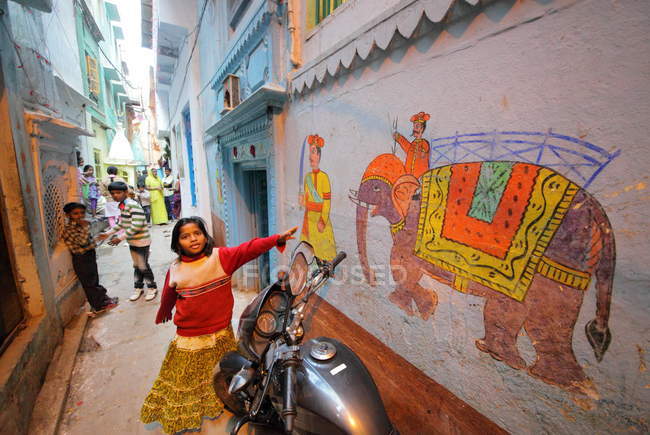
Chetan Bhagat’s Revolution 2020 centers on the intersecting lives of Raghav Kashyap, Gopal Mishra, and Aarti Pratap, three young individuals navigating ambition, love, and morality in contemporary India. Among its central themes, revolution stands out as a powerful yet paradoxically fragile idea. It symbolizes both idealism and illusion, hope and disappointment, as the narrative evaluates whether meaningful change is possible in a society dominated by corruption, inequality, and apathy.
The novel presents revolution not merely as political upheaval but as a broader socio-moral struggle: a battle between what should be and what is. Raghav champions this struggle through journalism and activism, claiming to fight corruption at its roots. Yet Bhagat also interrogates the authenticity, sustainability, and consequences of such a revolution, especially when confronted with personal dilemmas, emotional entanglements, and the inertia of a deeply flawed system. This tension—between revolution as a noble ideal and as a commodified, distracted pursuit—forms the core of the theme.
Raghav’s Revolution: Idealism, Journalism, and Rebellion
Raghav represents the idealistic youth: educated, passionate, and unwilling to succumb to the corrupt machinery that dominates Indian institutions. His vision for a revolution is rooted in:
Transparency through honest journalism
Accountability of politicians and institutions
Active engagement of youth
Disrupting entrenched systems through truth-telling
His editorial, “Because Enough is Enough,” becomes a symbolic manifesto, reflecting his conviction that change begins with exposure—with revealing the rot that society has normalized. For Raghav, revolution is intellectual and moral; he believes that once people see injustice clearly, they cannot remain complacent.
However, Raghav’s passion often borders on obsession. Bhagat subtly critiques this: while idealism is admirable, its blind pursuit can strain relationships, destabilize lives, and create collateral damage. Aarti feels alienated; Raghav’s activism frequently becomes self-serving; and his inability to balance personal life with public mission reveals a flaw in the romantic notion of revolution.
Gopal’s Practicality: A Counter-Revolution
Where Raghav is idealistic, Gopal is pragmatic—even to a fault. Having grown up in poverty and humiliation, Gopal’s primary goal is survival and success, not change. He becomes involved with corrupt power structures not out of malice but necessity and ambition. His pursuit of wealth stands in stark contrast to Raghav’s pursuit of justice.
Their differing philosophies illuminate the novel’s critique of modern India:
Raghav symbolizes aspirational change
Gopal symbolizes adaptation to systemic flaws
Through this contrast, Bhagat suggests that revolutions fail not necessarily because of villains, but because of compromised everyday individuals navigating difficult realities. Gopal embodies the millions who do not resist systemic corruption because doing so seems impossible, impractical, or dangerous.
Yet Gopal’s final sacrifice—stepping away from Aarti for Raghav’s sake—reveals that even the most compromised individuals retain the capacity for moral revolution within themselves. Bhagat thereby reframes revolution not just as a public act but an internal shift toward ethical clarity.
The Commodification of Revolution
A major critique embedded within the novel is that revolution has become a “marketable concept”—a tool that garners attention, sells newspapers, boosts TRPs, and fuels personal aspirations. Bhagat portrays how:
Media co-opts activism for commercial gain
Politicians manipulate revolution narratives
Youth culture romanticizes rebellion but engages inconsistently
Idealism becomes entangled with personal agendas
Raghav’s newspaper, the Revolution, reflects both sincerity and showmanship. His slogans, exposés, and public confrontations border on sensationalism. Bhagat asks whether modern revolution is truly about social transformation or about visibility, prestige, and self-affirmation.
This tension mirrors contemporary society, where activism is often amplified by social media culture—passionate, loud, but sometimes fleeting or superficial. Bhagat’s narrative offers a warning: revolution can become diluted when filtered through media channels, personal relationships, and economic interests.
Does the Novel Succeed in Portraying a Genuine Revolutionary Spirit?
Bhagat’s portrayal of revolution is neither wholly celebratory nor dismissive. Instead, it is ambivalent, reflecting the complexities of real-life activism.
Strengths
The novel grounds revolution in everyday corruption rather than abstract politics.
Raghav’s commitment captures the energy of youth activism.
The conflict between idealism and practicality mirrors real societal struggles.
It highlights the emotional and personal costs of activism.
Limitations
The revolutionary arc sometimes feels overshadowed by the love triangle.
Raghav’s activism, though passionate, lacks strategic depth.
The narrative simplifies systemic corruption at times.
The conclusion avoids a transformative societal outcome, focusing instead on personal sacrifice.
Thus, the novel succeeds in depicting the spirit of revolution but acknowledges how easily that spirit can be compromised, romanticized, or overshadowed.
How the Title Revolution 2020 Reflects the Central Message
The title suggests a vision for a new India by 2020—a symbolic year representing the future. This vision is both hopeful and cautionary. The title implies:
A call for youth-driven societal change
A critique of India’s failing systems
An ironic reminder that revolutions cannot be “scheduled”
A reflection on the futility and fragility of idealism
Bhagat uses “Revolution 2020” to signal that revolutions require not only passion but structural reform, ethical integrity, and collective engagement—all of which remain elusive by the end of the novel.
Below is a detailed, expanded explanation of all three answers, with clearer depth, literary analysis, and thematic connections.
Image groups and entity references are included to enhance clarity.
1. How does Raghav’s vision for a revolution differ from Gopal’s practical approach?
In Revolution 2020, the contrast between Raghav Kashyap and Gopal Mishra forms the ideological backbone of the novel. Their worldviews shape how they respond to the realities of corruption, ambition, and systemic injustice.
A. Raghav’s Vision: Idealistic, Reform-Oriented, and Value-Driven
Raghav believes that corruption must be uprooted at its core, and the only way to do this is through:
Investigative journalism
Truth-telling, even when dangerous
Challenging politicians and power structures
Mobilizing youth awareness
He sees revolution as a collective awakening—a social movement driven by transparency, moral courage, and emotional conviction. For Raghav, success is measured not in wealth or security but in impact.
His philosophy:
“If the system is broken, fix it—even if it breaks you in the process.”
He risks his career, relationships, and safety to pursue this idealism. His relentless pursuit of truth makes him morally admirable but practically vulnerable.
B. Gopal’s Approach: Practical, Survival-Oriented, and System-Driven
Gopal grows up in poverty and insecurity. He experiences corruption not as an abstract injustice but as a daily obstacle to survival. For him:
The system cannot be changed easily.
It is more rational to adapt than confront.
Power is gained by working with the system, not against it.
Gopal’s success—building a corrupt-funded engineering college—reflects his acceptance of the status quo. He sees revolution as unrealistic, something only privileged or idealistic youth like Raghav can afford to attempt.
His philosophy:
“If you cannot beat the system, join it—and rise above others.”
C. Why This Contrast Matters
The novel uses these two opposing approaches to highlight:
The moral tension between idealism and pragmatism
The choices young Indians face in a corrupt environment
The emotional and societal cost of choosing revolution over stability
The reality that both paths contain flaws and sacrifices
In the end, Raghav’s revolution shakes the system but costs him emotional stability, while Gopal’s practicality brings wealth but denies him moral peace. This moral conflict is central to the novel.
2. Does the novel dilute or strengthen the theme of revolution?

The theme of revolution in the novel is both intensified and complicated by its narrative structure, character arcs, and emotional tones.
A. Ways the Novel Strengthens the Theme
1. Personal Sacrifice as Revolutionary
2. Realistic portrayal of a corrupt society
The novel depicts:
Rigged entrance exams
Politician-businessman nexuses
Bribery in education
Media manipulation
By grounding the story in these familiar realities, Bhagat makes Raghav’s struggle feel urgent and necessary.
3. Raghav’s newspaper Revolution
B. Ways the Novel Might Dilute the Theme
1. The Love Triangle Overshadows Activism
2. Limited exploration of collective action
3. Quick progression of Raghav’s career
His sudden rise as a youth icon seems somewhat idealized, giving the revolution narrative a slightly romantic tint.
C. Balanced Conclusion
Overall, Bhagat portrays revolution as messy, imperfect, and deeply human, rather than grand or heroic—making it relatable, but not epic.
3. How is Revolution 2020 reflective of the story’s central message?

The title Revolution 2020 plays a crucial thematic role. It is symbolic, ironic, and aspirational.
A. “Revolution” — A Symbol of Youth Aspirations
The word revolution evokes:
Transformation
Rebellion
Political change
Social justice
Youth awakening
Thus, the revolution is both external (social) and internal (moral).
B. “2020” — A Symbol of Vision and Irony
The year 2020 was widely viewed in Indian discourse as a dream year:
A milestone for development goals
A futuristic vision for a new India
Symbol of progress, clarity, and hope (20/20 vision)
Bhagat uses “2020” ironically:
The novel shows how far India is from achieving such dreams.
Corruption, flawed education, and moral compromises continue to dominate.
The revolution cannot simply arrive “on schedule.”
Thus, “2020” symbolizes both hope and disillusionment.
C. Title as Reflection of the Central Message
The central message is that:
Change is difficult but necessary
Corruption is pervasive but not unbeatable
Youth have the power to shape the future, but only through collective action
Revolutions are rooted in courage and sacrifice, not idealistic slogans
D. An Irony Embedded in the Novel
Society may not change quickly
But individuals can change profoundly
Personal revolutions can inspire broader ones
In that sense, the title is both hopeful and critical.
Critical Questions (Explored in Depth)
1. Why does Raghav believe a revolution must begin in small cities like Varanasi?

Raghav sees Varanasi as the microcosm of India’s challenges—corruption, inequality, and stagnant bureaucracy. He believes:
Small towns reflect real India, not metropolitan exceptions.
Corruption is more normalized in smaller cities due to fewer checks.
Youth in these cities have fewer opportunities, making them more receptive to change.
Change at the grassroots level creates national ripple effects.
Bhagat uses Varanasi symbolically: a city of ancient tradition trying to find its place in modern India. Raghav’s belief underscores that revolutions must begin where injustice is most visible yet least challenged.
2. Is Bhagat’s portrayal of revolution realistic or romanticized?
Bhagat strikes a balance:
Realistic Aspects
The barriers activists face
Media manipulation
Personal costs of activism
Difficulty of systemic change
The moral ambiguities activists navigate
Romanticized Aspects
The speed with which Raghav gains influence
The symbolic simplicity of his editorials
The portrayal of his activism as solitary rather than collaborative
The framing of personal sacrifice as the ultimate moral act
Overall, the novel leans slightly romantic in framing activism through dramatic gestures and emotionally charged moments, but its conclusions about the fragility and complexity of revolution are grounded in reality.
Activity: Editorial Analysis and Creation
Analysis of “Because Enough Is Enough”
Raghav’s editorial is a passionate indictment of corruption and complacency. It exemplifies:
Youth frustration with systemic decay
A call to action emphasizing collective responsibility
Rhetorical force built through repetition and urgency
A personal, emotional tone rather than a formal journalistic one
Its relevance to contemporary India is unmistakable. Issues such as government corruption, environmental degradation, unemployment, and educational inequality remain urgent. Raghav’s demand for transparency echoes modern activism—RTI movements, anti-corruption protests, student activism, and digital whistleblowing.
Activity Output: A Modern Editorial on a Contemporary Issue
“Because Silence Is No Longer an Option: An Editorial on Digital Misinformation”
By A Concerned Citizen
We live in an age where information travels faster than thought, and lies spread quicker than truth. Every day, millions scroll through feeds filled with rumors masquerading as facts, opinions packaged as analysis, and hatred disguised as patriotism. We share, like, forward, and amplify without pausing to question. We have become participants in a silent epidemic—one that threatens not just our minds, but the very fabric of our democracy.
Digital misinformation is not merely a technological issue; it is a moral crisis. It manipulates elections, stokes communal tensions, undermines scientific progress, and destroys reputations. It thrives because we allow it to. Our silence is its oxygen.
We are the generation with smartphones in our hands and apathy in our hearts. We rage in comment sections but refuse to confront our own complicity. We demand a better world yet continue to feed the machinery that is tearing it apart.
Enough is enough.
Revolution today does not begin in the streets; it begins on the screen. It starts with digital literacy, critical thinking, and moral responsibility. It begins when each of us decides that we will no longer be passive consumers but active guardians of truth.
If we want to build a future that values honesty, justice, and unity, we must fight for it—not with slogans, not with outrage, but with integrity.
Because silence is no longer an option.
Conclusion
The theme of revolution in Revolution 2020 is multifaceted—idealistic, flawed, emotional, and deeply human. Through Raghav and Gopal, Bhagat interrogates the possibilities and impossibilities of change in a compromised world. The novel ultimately suggests that revolutions are neither grand nor guaranteed—they are personal struggles, shaped by sacrifice, conscience, and conviction.Raghav’s revolution is an external fight; Gopal’s is an internal one. The interplay of the two raises a timeless question still relevant today: Can real change emerge from imperfect individuals living in an imperfect world?
Integrated Activity: Role-Playing Debate — “The Price of Success”
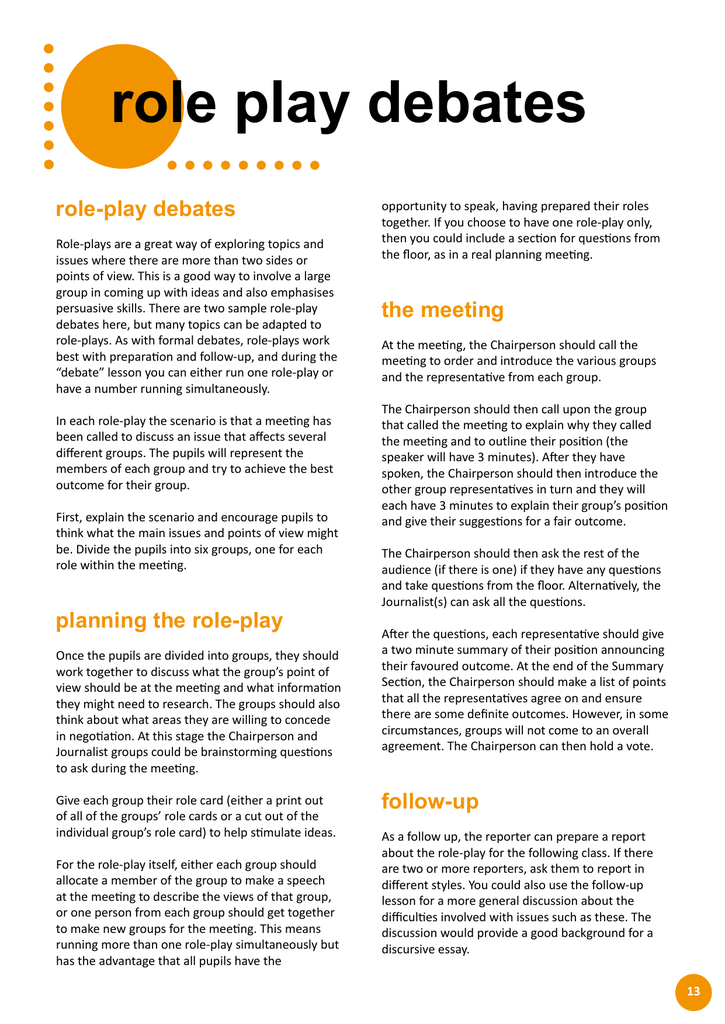
1. Setup of the Activity
Roles
Assign students to play the following:
Moderator/Host (1 student)
Gopal Mishra (1 student)
Raghav Kashyap (1 student)
Aarti Pratap (1 student)
Audience Members / Panel Analysts (rest of the class)
Materials Needed
Character cue cards
Key quotations from the novel
A structured debate format (timed responses, rebuttals, closing statements)
Objective
Students will:
Understand each character’s motivations and moral struggles
Explore how society defines success
Debate the societal, emotional, and ethical implications of each character’s actions
Evaluate the theme of corruption vs. idealism
2. Character Preparation (Cue Cards)
A. Gopal Mishra — "Survival First, Morality Later"
Core Beliefs
Success means escaping poverty and gaining financial security.
The system is corrupt, and you must adapt to survive.
Personal happiness can be sacrificed if it ensures stability.
He feels life has been unfair, and he deserves success by any means.
Arguments Gopal May Use
“I didn’t create corruption; I just learned to live with it.”
“Success is meaningless if you can’t provide for yourself or your family.”
“Raghav fights the system because he never experienced real poverty.”
Points of Conflict
Morally compromised choices: bribery, political alliances
His emotional conflict with Aarti
His final sacrifice (giving up Aarti for her happiness)
B. Raghav Kashyap — "Change the System, No Matter the Cost"
Core Beliefs
Success means creating social change, not earning money.
Journalism should be a weapon against corruption.
Youth must question the system, not inherit its flaws.
Personal sacrifices are necessary for a larger cause.
Arguments Raghav May Use
“India needs truth, not more businessmen feeding corruption.”
“If we don’t fight corruption now, when will we?”
“Success without integrity is failure.”
Points of Conflict
His tunnel-vision activism strains relationships.
He struggles to balance personal life with public duty.
His approach sometimes appears self-righteous or impractical.
C. Aarti Pratap — "Happiness Over Ideology"
Core Beliefs
Success is defined by emotional stability, relationships, and personal growth.
She wants a life free from drama—simple, meaningful, peaceful.
She values love and companionship more than power or ideals.
Arguments Aarti May Use
“Success means having peace, not changing the world or chasing money.”
“Both of you are so busy fighting your battles that you forget how to love.”
“Why must success come with war?”
Points of Conflict
Torn between Gopal and Raghav
Suffers emotional collateral damage
Represents everyday individuals caught between idealism and ambition
3. Moderator Guide
Role
The moderator ensures fairness, keeps the discussion focused, and poses challenging questions.
Possible Opening Statement
“Welcome to The Price of Success. Today we examine how ambition, morality, and personal choices shape the lives of three young people navigating modern India. Let’s begin by asking each guest: What does success mean to you?”
Suggested Moderator Questions
To Gopal
“Is success still success if gained through corruption?”
“Do your circumstances justify your moral compromises?”
“Was sacrificing Aarti your moral revolution?”
To Raghav
“Is idealism sustainable if it destroys personal relationships?”
“Do you believe your revolution helped or hurt the people you love?”
“Can change happen without understanding real-world limitations?”
To Aarti
“Do the ambitions of Gopal and Raghav neglect your emotional needs?”
“How do you balance love, expectations, and personal happiness?”
“Do you believe either of them understands your definition of success?”
To All Three
“What is the true price of success?”
“Does society reward integrity or ambition?”
“Is personal happiness more important than changing the world?”
4. Audience/Panel Prompts
Audience members or analysts can bring additional perspectives:
Discussion Points
“Is Gopal a victim of society or a creator of suffering?”
“Is Raghav’s revolution genuine or performative?”
“Does Aarti represent ordinary citizens trapped in larger battles?”
“Can success exist without sacrifice?”
“Does modern India truly allow ethical success?”
Encourage students to challenge characters respectfully and ask follow-up questions.
5. Debate Flow Structure (Suggested)
Opening Statements
Each character answers: “What does success mean to me?”Round 1: Personal Choices
Discuss key decisions and their consequences.Round 2: Moral Dilemmas
Confront corruption, idealism, and emotional impacts.Round 3: Rebuttals
Characters respond directly to each other’s criticisms.Audience Question Round
Students ask dynamic questions.Closing Remarks
Each character explains whether they would change their choices.Reflection
Moderator summarizes the debate and connects it to society.
6. Learning Outcomes
By the end of this activity, students will:
Understand multiple perspectives behind complex decisions
Analyze how personal background shapes moral choices
Debate ethically with empathy and clarity
Recognize the social critique embedded in the novel
Reflect on the meaning of success in modern society
Conclusion:
He role-playing debate on “The Price of Success” reveals that success is not a single, universal ideal but a deeply personal pursuit shaped by one’s upbringing, values, and emotional needs. Through the voices of Gopal Mishra, Raghav Kashyap, and Aarti Pratap, we see three contrasting yet interconnected definitions of success—each carrying its own sacrifices and consequences.
Gopal represents those who chase stability after enduring hardship. For him, success is survival, wealth, and the power to never feel helpless again. His journey shows how poverty can push individuals toward morally blurred decisions. Yet, his final sacrifice illustrates that even flawed individuals can embrace integrity when it matters most. Raghav, driven by passion and idealism, embodies the belief that success means transforming society. He is willing to lose comfort, relationships, and even emotional balance to pursue truth and justice. His character teaches that revolutions—though noble—come at a personal cost, and idealism alone is not enough without empathy.
Aarti brings balance to the debate by showing that success is not always tied to ambition or ideology. For her, success means emotional peace, personal happiness, and meaningful relationships. She reminds us that in the pursuit of big goals, the human heart often becomes the quiet battleground where the highest price is paid. Together, these characters reveal that success is rarely achieved without compromise—whether it is moral, emotional, or personal. The novel, and this activity, ultimately teach that society shapes individuals, but individuals also shape society through their choices. Integrity, ambition, and love pull people in different directions, and there is no perfect answer—only the answer one can live with.
In the end, Revolution 2020 and this debate urge us to ask ourselves:What kind of success do we value—and what are we willing to sacrifice for it?


.png)


.png)


No comments:
Post a Comment